


 YEARS IN SERVICE. WE HAVE PROUDLY SERVED 10.000+ AUTHORS & PUBLISHERS WORLDWIDE.
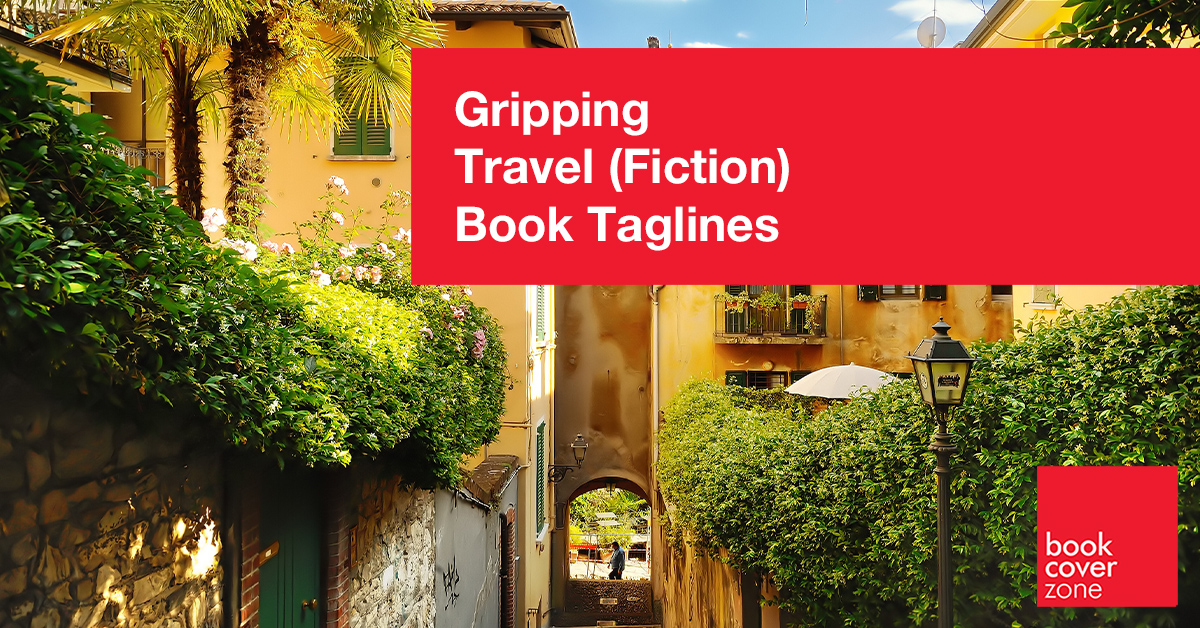
Gripping Travel (Fiction) Book Taglines
At BookCoverZone, we know that Travel Fiction is a unique and deeply evocative genre. Whether your novel is a sun-drenched Tuscan romance, an unpredictable road trip of self-discovery, or a tense backpacking adventure gone wrong, readers are looking for escapism. But stunning landscapes aren't enough to sell a book. Your tagline must act as the passport stamp that gets them onboard.
Why the Tagline Transcends the Title on Amazon KDP
Titles in travel fiction are notoriously atmospheric but vague. Think of titles like A Summer in Paris, The Road to Nowhere, or Under the Mediterranean Sun. While beautiful, they only tell the reader the setting, not the story.
When a reader is browsing through Amazon KDP or IngramSpark, they see hundreds of covers featuring cobbled streets or gorgeous beaches. If your book is simply titled The Tuscan Villa, they might assume it's a cozy romance. But what if it's a historical mystery? Or a family drama?
The tagline provides the crucial context. A cover titled The Tuscan Villa paired with the tagline, "She inherited a vineyard, a fortune, and a fifty-year-old murder," instantly re-categorizes the book. The title sets the mood; the tagline delivers the plot.
The Power of the Question: Provoking Wanderlust
Travel, by its very nature, is about stepping into the unknown. When we leave home, we ask ourselves who we will become when stripped of our daily routines. Using a question as your tagline directly taps into this psychological desire for escape and discovery.
A question like, "How far do you have to travel to leave your past behind?" or "What happens when the ultimate itinerary goes horribly wrong?" invites the reader to project their own desires and fears onto the narrative. It turns a static book cover into an active invitation.
Non-Generic Taglines Engineered for Travel Fiction
Generic tags like "A journey of a lifetime" or "Finding love abroad" are a waste of valuable cover real estate. You need a tagline that establishes the baggage the characters are carrying. Here are highly effective examples across travel subgenres:
Why it works: The gold standard for Travel Romance. It sets up the classic "Eat, Pray, Love" self-discovery trope but immediately pivots into a romantic hook. It promises the reader both internal growth and external romance.
Why it works: Perfect for Road Trip / Family Drama. It clearly defines the physical journey (two thousand miles in a camper van) alongside the heavy emotional journey (forgiveness). The "Rule of Three" pacing makes it highly memorable.
Why it works: A chilling hook for a Travel Thriller (think The Beach). It starts with the idyllic promise of travel and instantly undercuts it with an ominous threat, signaling to the reader that this vacation is about to turn deadly.
Why it works: Great for Travel Comedy / Lighthearted Fiction. It lists relatable travel nightmares, framing them not as disasters, but as the catalyst for an uplifting, serendipitous adventure.
Why it works: Highly effective for Historical Travel Fiction / Dual-Timeline. It gives the reader a specific, exotic location (Venetian villa) and anchors it with a high-stakes mystery (ruining two families).
Pondering the Size: The Postcard Aesthetic
Covers for travel fiction rely heavily on breathtaking photography or beautiful, stylized vector illustrations of famous landmarks and landscapes.
Don't Block the View: Your tagline should feel like an elegant inscription on a postcard, not a billboard blocking the scenery. It should be delicate but highly readable.
Typography Choices: For travel romance or historical fiction, clean, elegant serifs or carefully selected script fonts (used sparingly!) work beautifully. For thrillers or modern road trips, go with crisp, tracking-spaced sans-serifs. Place the tagline at the very top of the sky or integrated smoothly into the negative space of a landscape (like the reflection of a lake or a wide open road).
Travel Fiction Best-Practice Guide
Before you pack your bags and hit publish, run your tagline through this checklist:
1. Marry the Internal and External JourneysThe best travel fiction isn't just about moving from Point A to Point B; it's about how the character changes. Your tagline should hint at both the physical distance traveled and the emotional baggage being unpacked.
2. Use Evocative Place-WordsIf your title is vague, use the tagline to ground the reader. Words like ticket, passport, map, miles, sea, border, or specific locations (Paris, Tokyo, the Alps) instantly trigger the reader's wanderlust.
3. Establish the Vibe QuicklyIs your book a cozy, wine-drinking romp through the French countryside, or a grueling, survivalist trek across the Sahara? Ensure the tone of your tagline matches the temperature of the story.
4. Keep it Short for Mobile ScrollersMost readers buy books on their phones. If your tagline is a massive paragraph, it will look like a smudge on a thumbnail. Keep it under 15 words.
A gorgeous travel cover shows the reader where they could go, but an expertly crafted tagline gives them the reason to pack their bags. At BookCoverZone, we create visual passports for your stories. Pair our breathtaking cover designs with a hook that promises adventure, romance, or discovery, and watch your readers flock to your destination.