



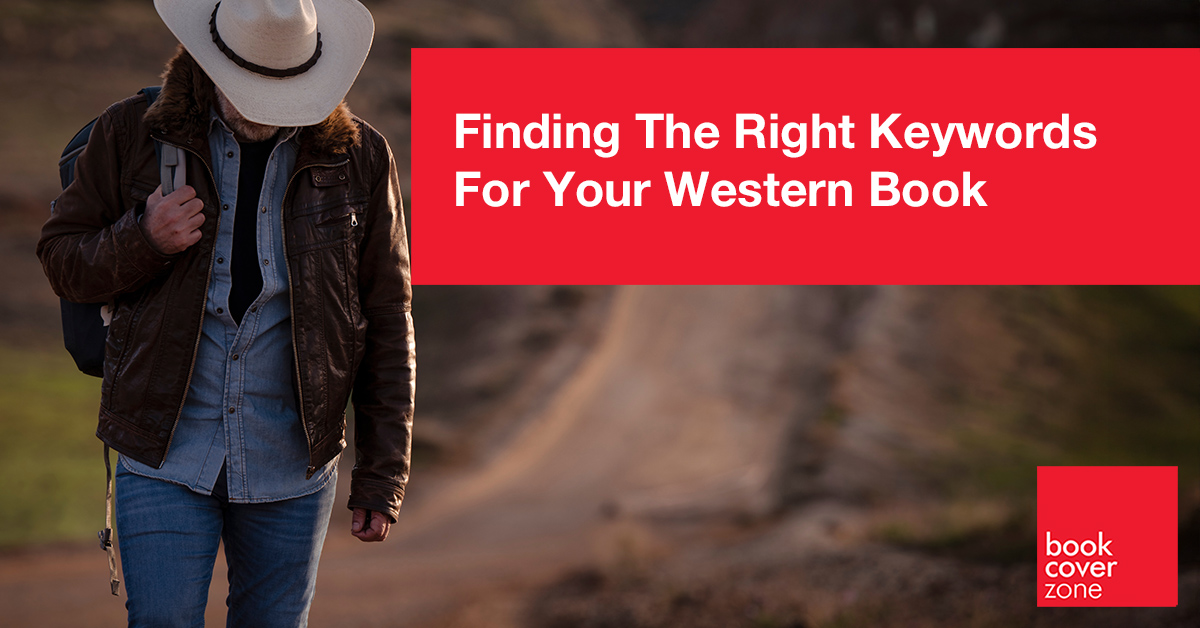
In the vast, untamed frontier of digital publishing, your book is a lone rider on a dusty trail. Keywords are the landmarks and smoke signals that guide readers through the wilderness directly to your campfire.
At BookCoverZone, we specialized in the "Grit and Gravity" of your western cover—the scorched horizons, the weathered hats, and the lone silhouettes. But even the most legendary cover needs a tactical metadata map to be found. The Western genre is a market of deep traditions and modern evolutions. To stand out, you need a keyword strategy that identifies the specific Sub-genre, Era, and Moral Complexity of your story.
Keywords: The "Key" to Frontier Discoverability
On platforms like Amazon KDP and IngramSpark, keywords are the primary tools used to "brand" your book. In the Western niche, search intent is often driven by a desire for a specific type of atmosphere or hero. If you use a generic keyword like "western novel," you are a single blade of grass in the prairie.
Keywords are the "Key" because they allow you to tap into a reader's specific "Frontier Fantasy." When a reader types "gritty frontier noir mystery" into a search bar, the algorithm relies on your backend keywords to decide if your book is their next essential read. By using Long-Tail Keywords—phrases that describe your unique niche (e.g., "post-civil war outlaw saga")—you increase your conversion rate, telling the algorithm that your book is a high-relevance match, which ultimately drives more organic traffic.
Non-Generic Keywords for the Western Market
To stand out, you must identify the "Grit Level" of your trip. Is it a historical epic, a modern ranch drama, or a brutal vengeance story? Here are specific, non-generic keywords we suggest:
Tools for Scouting the Western Signal
Finding the right keywords involves tracking where Western enthusiasts are currently looking. You can use these professional digital tools to find your signal:
- Publisher Rocket: The gold standard for seeing which specific "Eras" or "Archetypes" (like "Gunslinger" vs. "Sheriff") have the highest search volume and lowest competition in the Western category.
- K-Lytics: They provide specialized reports on the Western and Frontier niches, identifying whether "Classic Westerns" or "Neo-Westerns" are currently performing better for indie authors.
- Reddit (r/Westerns): Look at the "What should I read next?" threads. The phrases readers use to describe what they want (e.g., "bleak," "heroic," "realistic 1880s") are your most effective keywords.
- Amazon Auto-Complete: Start typing "Western books about..." in an incognito search bar. The suggestions that drop down are real-time, high-traffic searches from active fans of the genre.
Western Genre Best-Practice Guide
Follow these BookCoverZone rules to ensure your metadata is as rugged and reliable as your protagonist:
1. Define the Sub-Genre (Classic vs. Neo): Be clear about whether your book is a traditional 19th-century story or a modern-day "Frontier Noir." Readers of these sub-genres often look for very different things.
2. Identify the "Stakes": Is it "Vengeance," "Survival," "Justice," or "Inheritance"? The core motivation of a Western hero is a primary search factor for fans of the genre.
3. Specificity in Time and Place: Don't just say "The West." Use keywords like "1880s Texas," "Modern Montana," or "Oregon Trail." Specific settings act as powerful triggers for historical fiction readers.
4. Tone and "Grit": Use keywords that describe the intensity. Is it "Clean Western" (traditional/wholesome) or "Hardboiled Western" (brutal/realistic)? This helps manage reader expectations and prevents negative reviews.
5. Monitor Trending Tropes: Is there a surge in interest for "Ranch Dramas" or "Historical Mystery"? Refresh your keywords to capitalize on trending cultural moments (like the popularity of modern Western TV shows).
Every Western book is a tribute to the spirit of the frontier, and the cover is the first horizon. At BookCoverZone, we especializados in making that first impression a legendary one. With a breathtaking cover and a tactical keyword map, your story can find the readers who are ready to ride along with you.