


In Travel non-fiction, readers are looking for more than a map; they are looking for a transformation. Your tagline is the bridge between a simple location and the profound experience of being there.
Title vs. Tagline: The SEO Trap
On Amazon KDP and IngramSpark, the title often does the heavy lifting for Search Engine Optimization (SEO). You might title your book "Trekking the Himalayas: A Solo Guide." While functional, it lacks soul. This is why the tagline is arguably more important than the title—it provides the emotional "why" that triggers a purchase.
The Power of the Question
Travel is the ultimate pursuit of the unknown. Using a question in your tagline works exceptionally well for this genre because it mirrors the traveler's own curiosity. A question like "What happens when the map runs out?" creates immediate narrative tension. It forces the reader to open the book to find the answer.
Evocative Travel Taglines
Travel Writing Best Practices
- Sensory Details: Hint at the sights, smells, or sounds. Use words like Dusty, Salt-air, Neon, or Silence.
- The "Secret" Angle: Readers want what isn't in the brochure. Words like Untold, Hidden, or Underground add value.
- Cultural Contrast: Highlight the gap between the traveler's origin and the destination's reality.
- Pacing: Keep it light. Travel is about movement; your tagline should feel fluid and breezy.
Visual Hierarchy & Sizing
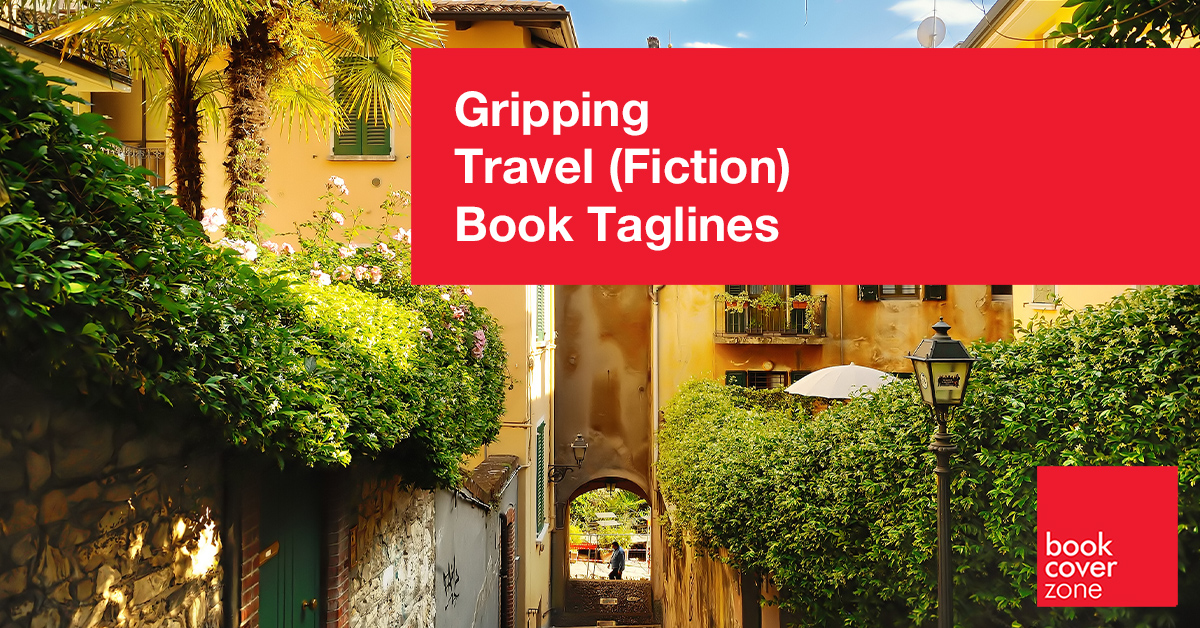
Travel covers often use stunning photography. To prevent the tagline from getting lost in a busy landscape or city scene, you must consider its visual weight.
For Travel, Letter Spacing (Kerning) is your best friend. A tagline with slightly wider letter spacing feels more "open" and "spacious," reflecting the feeling of travel. Avoid heavy bolding unless the book is a high-octane survival guide; instead, opt for a medium weight that looks elegant against the sky or sea of your cover art.